Gather Games
Strategy Meets Teamwork
The first competitive segment focuses on survival-themed team-building games. These are designed to get people thinking strategically while working as a unit. The challenges test problem-solving, communication, and the ability to adapt when things do not go as planned.
Three games make up this portion, each one pushing teams to collaborate under pressure. The format encourages people to step into roles they might not take on during a typical workday. Sometimes the loudest voice in the office ends up listening, and the quiet analyst ends up leading. That kind of shake-up is part of what makes the experience stick.
Synergy Styles
Understanding How Your Team Communicates
Between the games and the next round of competition, there is a short workshop focused on communication and personality types. This is not a lecture. It is a quick, interactive segment that helps team members understand how they work together and where friction might come from.
The insights here tend to carry back to the office. People start recognizing patterns in how they collaborate, and that awareness makes future projects smoother. Fifteen minutes does not sound like much, but it lands differently when everyone is already engaged and energized from the earlier challenges.
Hunt Games
Precision Under Pressure
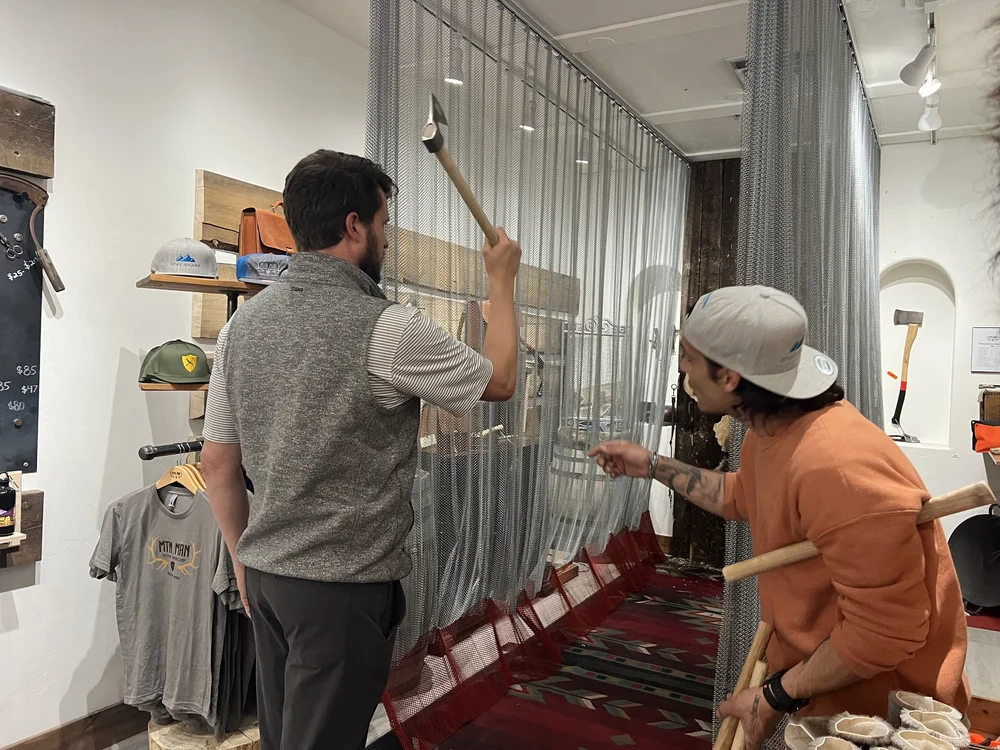
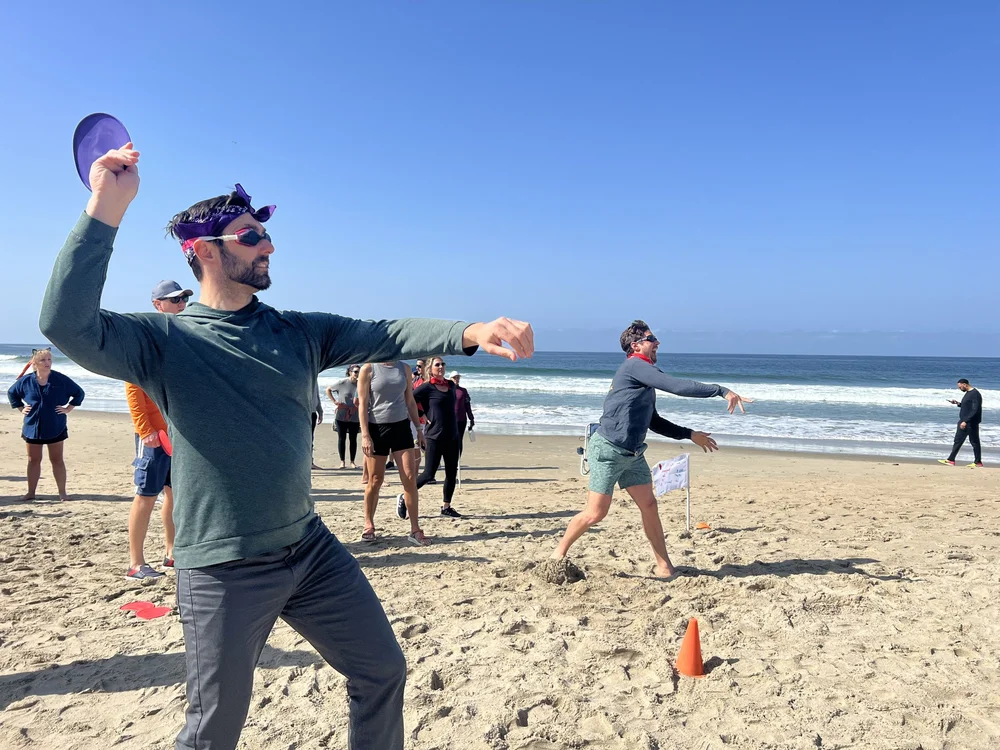
This is where things get loud. The Hunt Games segment centers on target-based challenges that pit teams against each other in head-to-head competition. Depending on the setup, this might include axe throwing, archery, baggo, and other precision-based activities tailored to the group.
Scores accumulate across the challenges, and the results matter. Teams that perform well here earn advantages heading into the final round. The stakes feel real because they are. That competitive edge brings out a different side of people, often the side their coworkers rarely see.
Cooking Competition
Where It All Comes Together
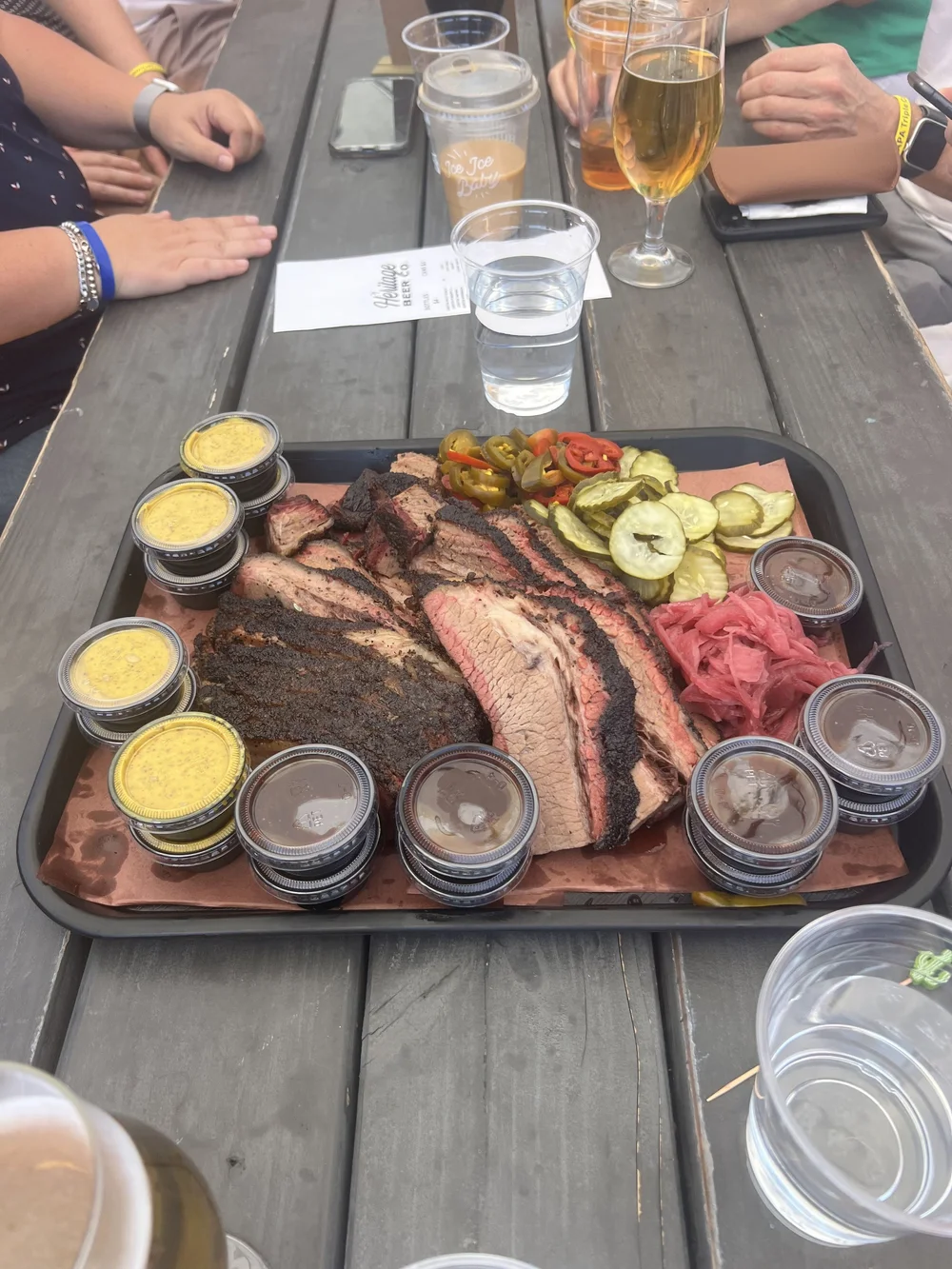
Everything builds to this. Teams face off in a Top Chef-style cook-off, putting together a dish that will be judged by an actual chef. The twist is that the points earned in earlier rounds determine who gets first pick at the pantry. Higher scores mean better access to ingredients, tools, and tips.
Cooking happens fast. Thirty minutes to prep, plate, and present. The time pressure forces collaboration. Someone has to take charge of the main component. Someone else handles sides. Another person keeps an eye on timing. Roles emerge naturally, and watching a team click into gear during this segment is genuinely fun.